At Hikone Station, there are two primary platforms to board a train. The main one, where the JR Biwako Line stops, is right by the entrance. If you go past that, there is a short hallway on the right-hand side. At the base of that hallway, there is an old-fashioned ticket booth. From there, you can board the Ōmi Tetsudo.
What is the Ōmi Tetsudo?
The Ōmi Tetsudo is a local train line that runs along the western side of Shiga Prefecture. The main line runs from Maibara to Kibukawa, with two branching lines: The Taga Line, which shoots off at Takamiya and goes to Tagataishamae; and the Yōkaichi Line that shoots off at Yōkaichi and goes to Ōmihachiman. The Ōmi Tetsudo will take you off of the beaten path, and towards more rural areas in Shiga. But that doesn’t mean that there isn’t anything to do on the Ōmi Tetsudo. Here are a few of the really cool things that you can go and visit by riding the Ōmi Tetsudo.
Taga Taisha
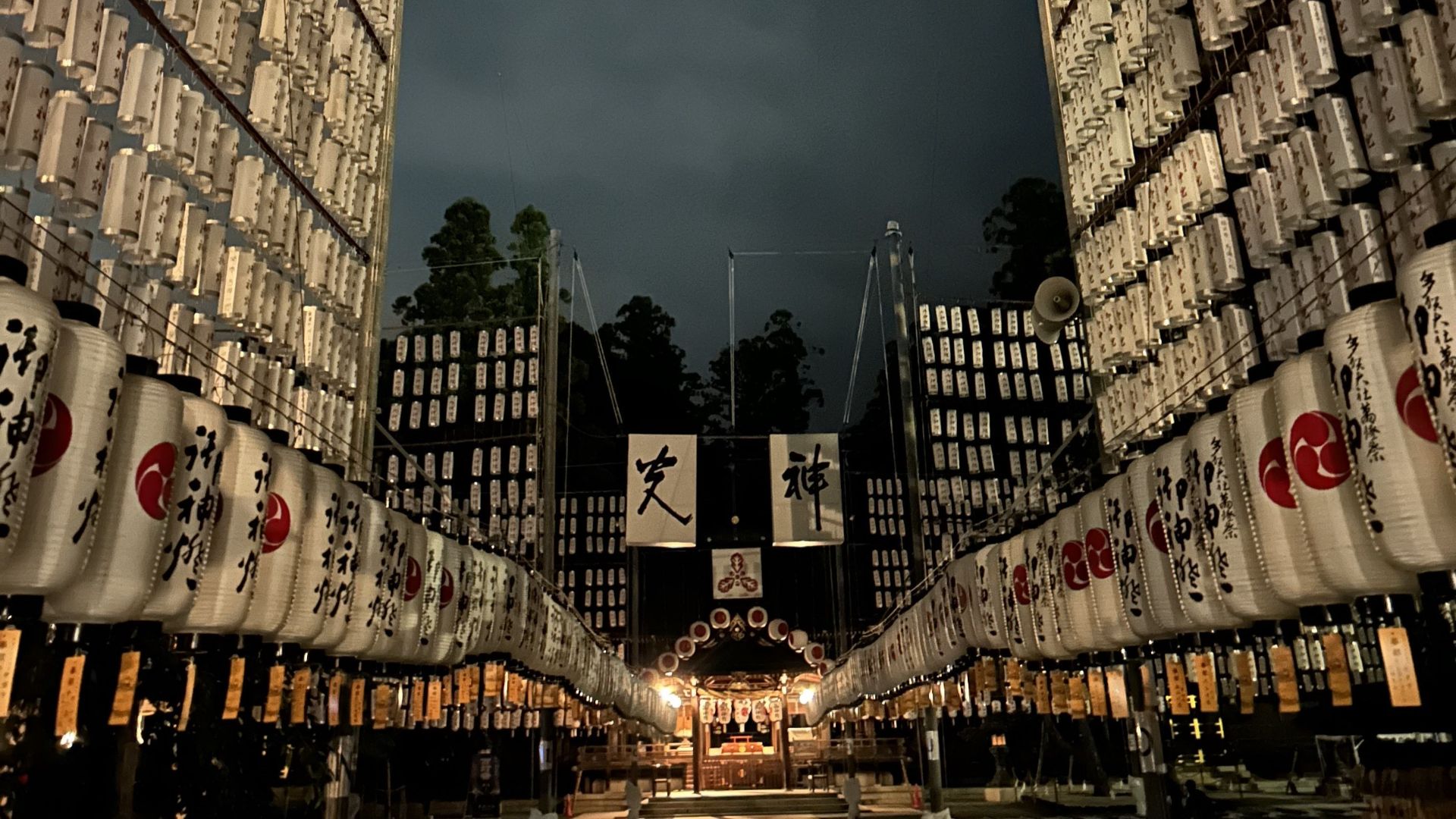
Taga Taisha is a shrine located in Taga. The main kami of the shrine are the creator deities Izanagi-no-Mikoto and Izanami-no-Mikoto. The shrine is also home to one of the twenty-two locations in Shiga designated as a National Place of Scenic Beauty, the inner Shoin Gardens of the temple. While the date of the shrine's founding is unknown, it was mentioned in ancient chronicles dating back to at least 712 CE. Toyotomi Hideyoshi was a frequent visitor of the shrine, and even donated 10,000 koku for the shrine’s upkeep and reconstruction.
Taga Taisha is also known for their festivals, with Korei-taisai (古例大祭), the most important festival for the shrine, held on April 22nd. There is also Otaue-sai (御田植祭), a festival of planting rice held on June 7th, as well as Mantō-sai (万灯祭), a lantern festival held on August 3rd-5th.
How to get to Taga Taisha: Board the Ōmi Tetsudo Main Line at Hikone Station (all of the trips will start here) to Takamiya, transfer at Takamiya to the Taga Line to Taga Taisha Mae, then walk east for about 7 minutes.
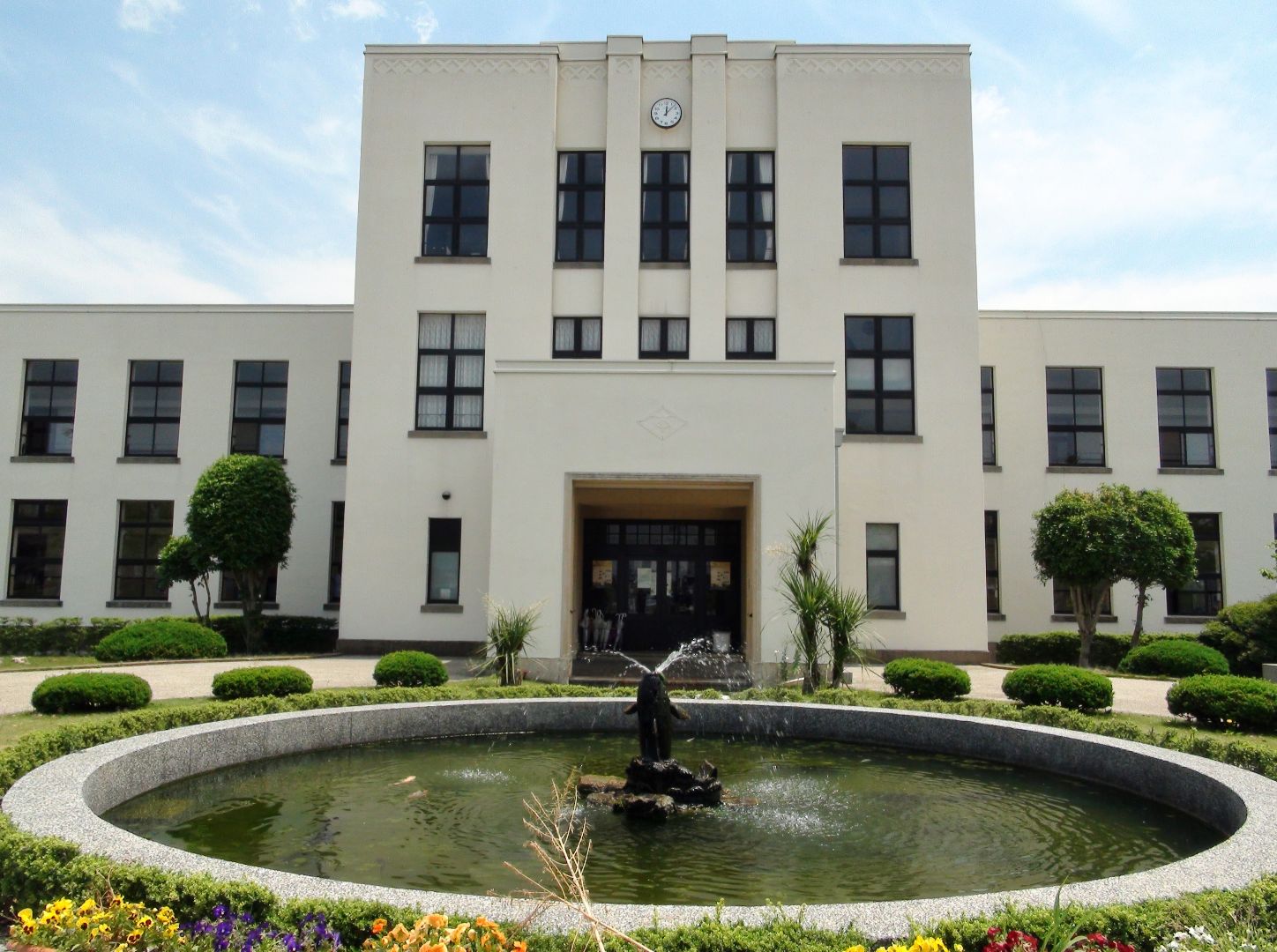
Toyosato Elementary School
While it may seem strange to have an elementary school listed in a list of places to travel to, there is a reason for this. Fans of the anime K-ON! will recognise the building as the inspiration of Sakuragaoka High School. Even the tortoise statue seen in the show is a part of the building. The elementary school has moved to a different building, but the former building has been preserved and features elements from the show inside, even those that were created by the show. There are guided tours available, which can take you to areas of the school that you would not be able to view otherwise.
How to get to Toyosato Elementary School: Board the Ōmi Tetsudo Main Line to Toyosato, then walk north for about 10 minutes.
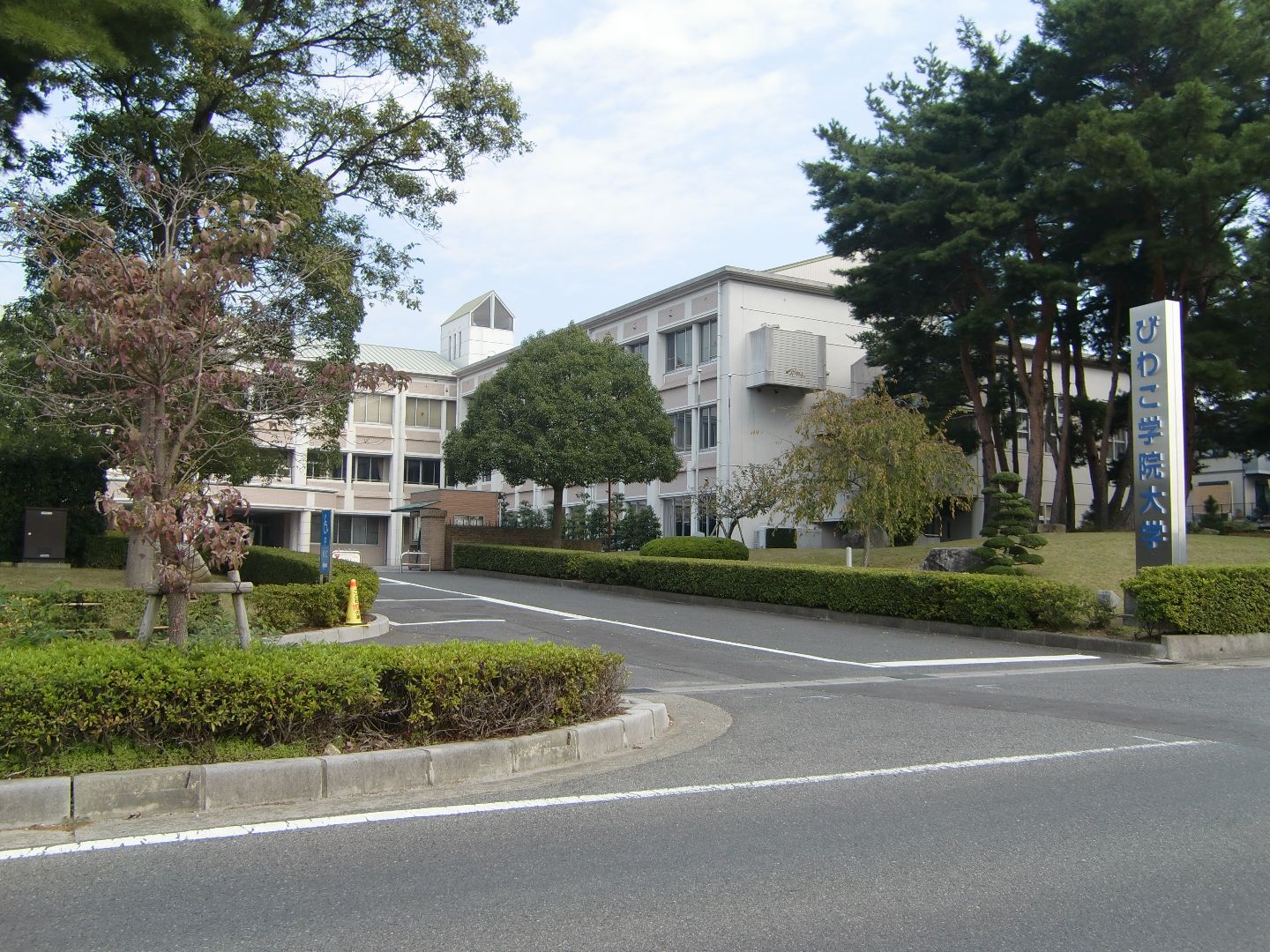
Biwako Gakuin University
While Shiga University and the University of Shiga Prefecture are more notable universities in the Hikone area, Biwako Gakuin University is a special university. Biwako Gaku is a co-educational university located in Higashiōmi with a focus on education. It is a smaller university, but there are a number of opportunities available for students. If you are someone interested in teaching, this could be a great place to meet students who are interested in a similar field.
How to get to Biwako Gakuin University: Board the Ōmi Tetsudo Main Line to Daigaku-mae Station, and it is immediately to the west.
Note: Daigaku-mae is an unmanned station, meaning that there isn’t a worker there that you can interact with. To pay for your ride to the university, you’ll be able to purchase your ticket at Hikone Station, and you’ll dump your payment into a receptacle on the train itself, along with the ticket. To get your ticket back to Hikone, you'll board the train from a spot on the platform marked with the direction you are going. Once you board the train, there will be a little box by the train door with the characters 整理券 on it. You’ll take your ticket from there. Once you get to Hikone Station, you’ll pay at the station. Ōmi Tetsudo has a video detailing how to board a train at a station without an attendee and pay for it. The captions are in Japanese.
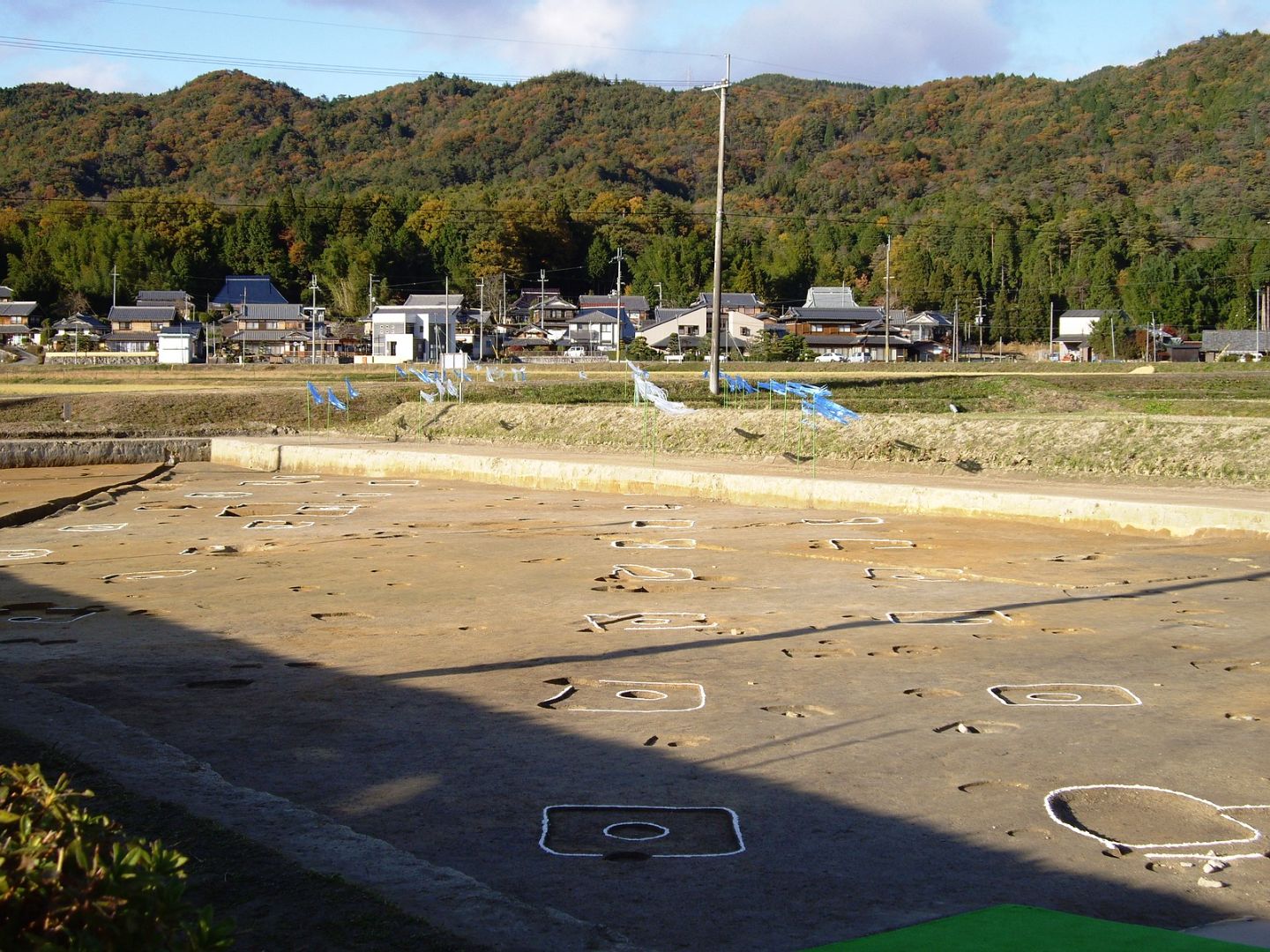
Shigaraki Palace
Shigaraki Palace is an archeological site of an imperial villa, and later proclaimed as capital of Japan, built in 744 CE by Emperor Shōmu. The site was designated as a National Historic Site of Japan in 1974. There were plans to build beyond the villa, such as a massive Bhudda statue in a temple near the complex, but numerous natural disasters forced these plans to be abandoned or relocated, such as the statue plans turning into Tōdai-ji in Nara. Despite all of the attached history, the actual location was lost for many years. Since it is a site of ruins, many of the recovered materials are now on display at a museum in Kōka.
To get to Shigaraki Palace: Board the Ōmi Tetsudo Main Line to Kibukawa, transfer to the Shigaraki Kōgen to Shigarakiguushi, then walk about 9 minutes west.
Gyokukei-ji
Gyokukei-ji is a temple that is a part of the 108 sacred places of Lake Biwa. The temple also happens to be the home of the largest Koka-cypress tree in the nation. There are several thousand jizos here as well. The temple is quite beautiful, even if the station has seen zero visitors some days.
To get to Gyokukei-ji: Board the Ōmi Tetsudo Main Line to Kibukawa, transfer to the Shigaraki Kōgen to Gyokukeiji-mae, then walk about 15 minutes around to the temple complex.
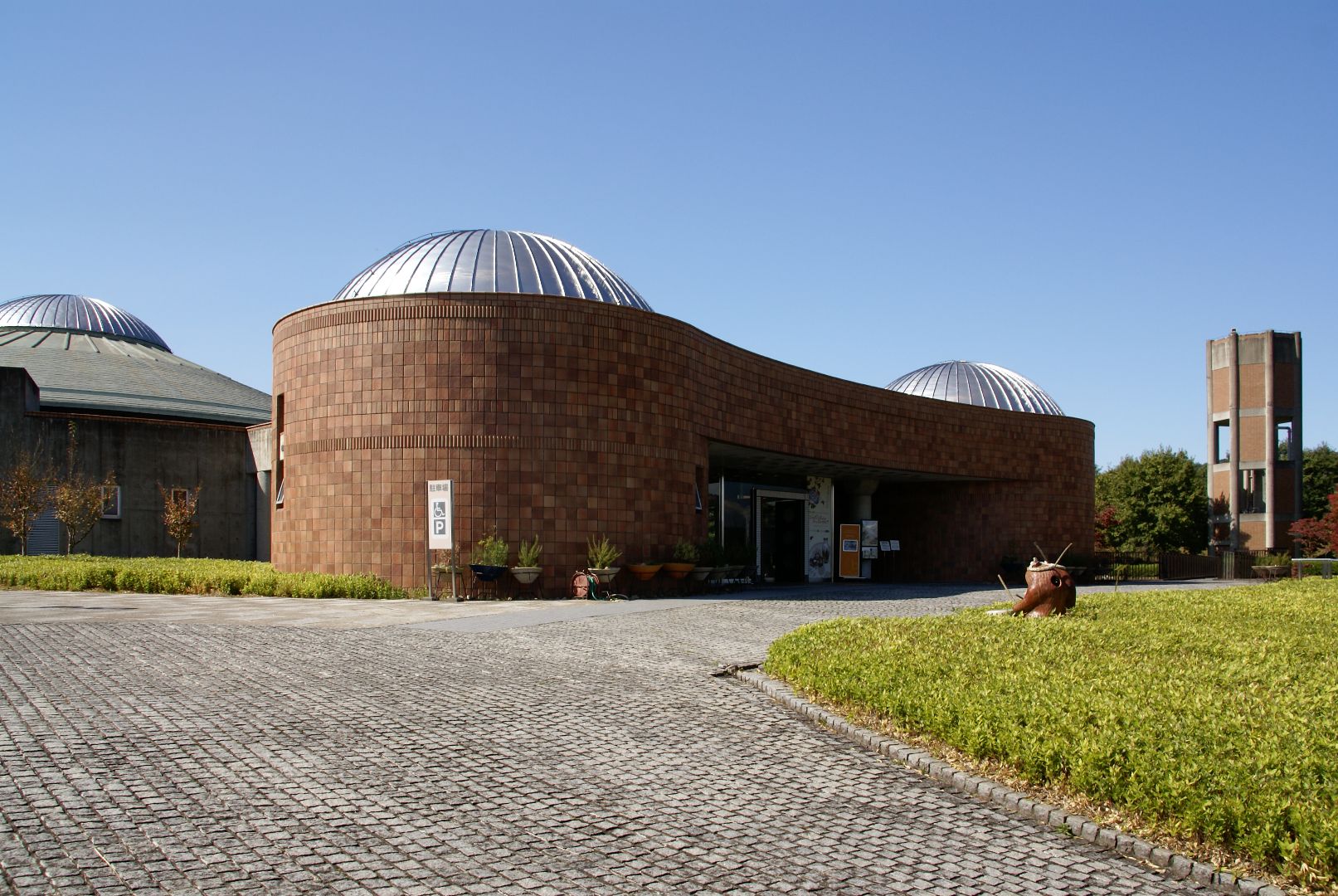
Shigaraki Ceramic Cultural Park
Shigaraki Ceramic Cultural Park is one of the leading pottery producing areas in Japan. The site has been in use since the Kamakura Period, specifically the 13th century, lending itself to be named as one of Japan’s Six Ancient Kilns. The area produces lucky tanuki statues, which can be found all across Kansai. Here, you can tour the kiln and see how these ceramics are produced.
To get to Shigaraki Ceramic Cultural Park: Board the Ōmi Tetsudo Main Line to Kibukawa, transfer to the Shigaraki Kōgen to Shigaraki, then walk about 16 minutes north.