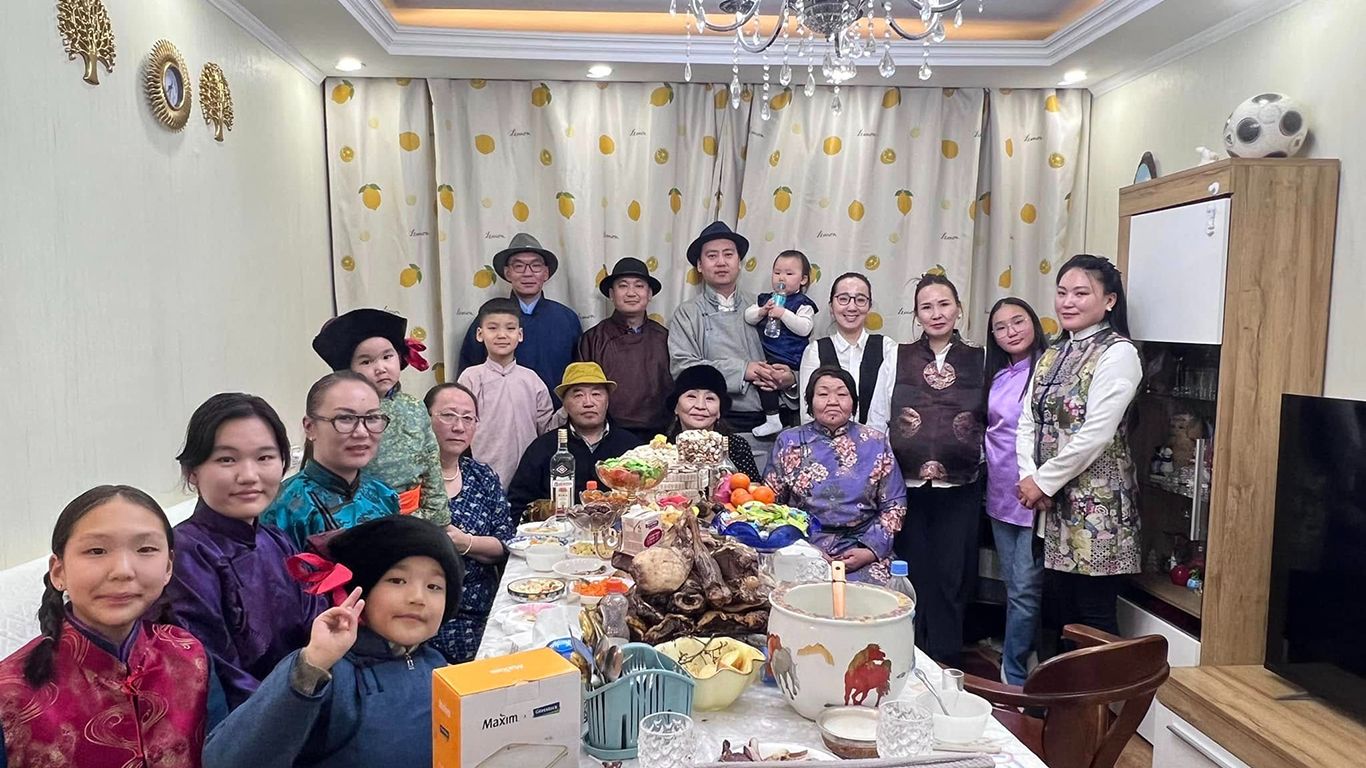
Represented by 12 zodiac animals, the Chinese zodiac years begin and end during the months of January or February. This year — 2026 — is the Year of the Horse.
Based on the lunar calendar, the year begins Feb. 17, 2026 and ends on Feb. 5, 2027. While interpretations, predictions and symbols associated with the horse tend to share similarities, across Southeast and East Asia, Lunar New Year is celebrated in a variety of ways with many traditions unique to each country’s national identity.
Four global Spartans gave us a glimpse of how they’ve experienced past Lunar New Year celebrations in their home countries of China, Indonesia, Mongolia and South Korea.
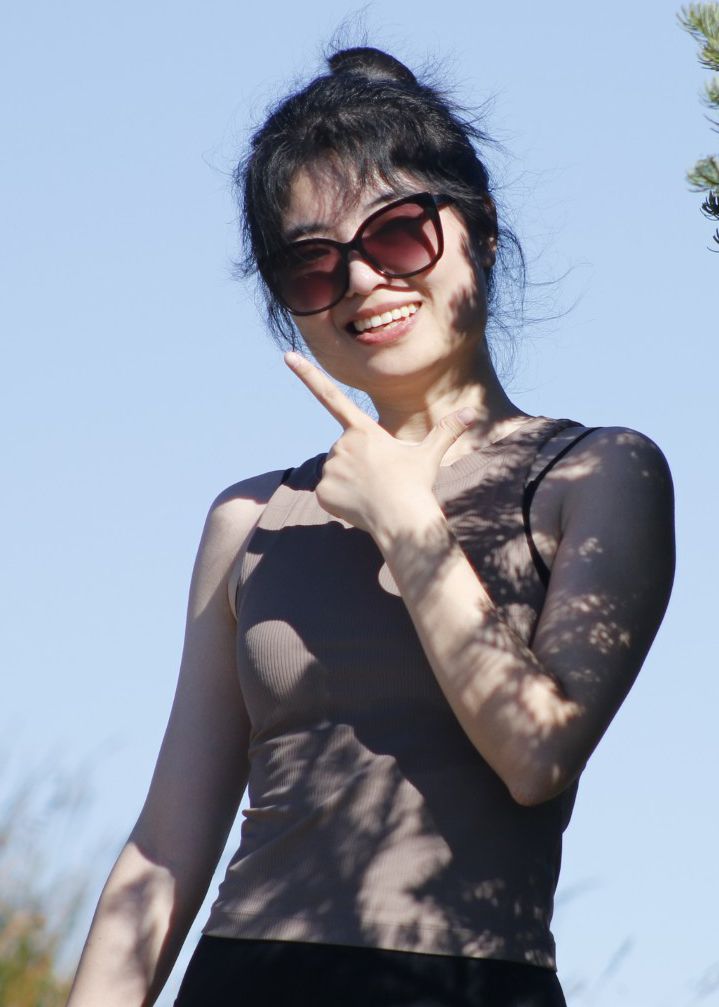
Doctoral candidate in the Department of Geography, Environment and Spatial Sciences
Country: China
How have you celebrated or honored Lunar New Year in your home country?
Usually, my family will gather together for a big reunion dinner on Lunar New Year’s Eve. Each dish on the table will be carefully prepared and named to symbolize good blessings for the coming new year.
At the end of the dinner, every child will receive a red envelope containing New Year’s money from every adult in the room — without a doubt, the best part of the whole celebration for me throughout my childhood. After that, it’s mahjong and game time!
What will you do this year to celebrate?
Party! Party! Party!
What do you call the new year holiday in your culture?
Spring Festival, “春节 in Chinese
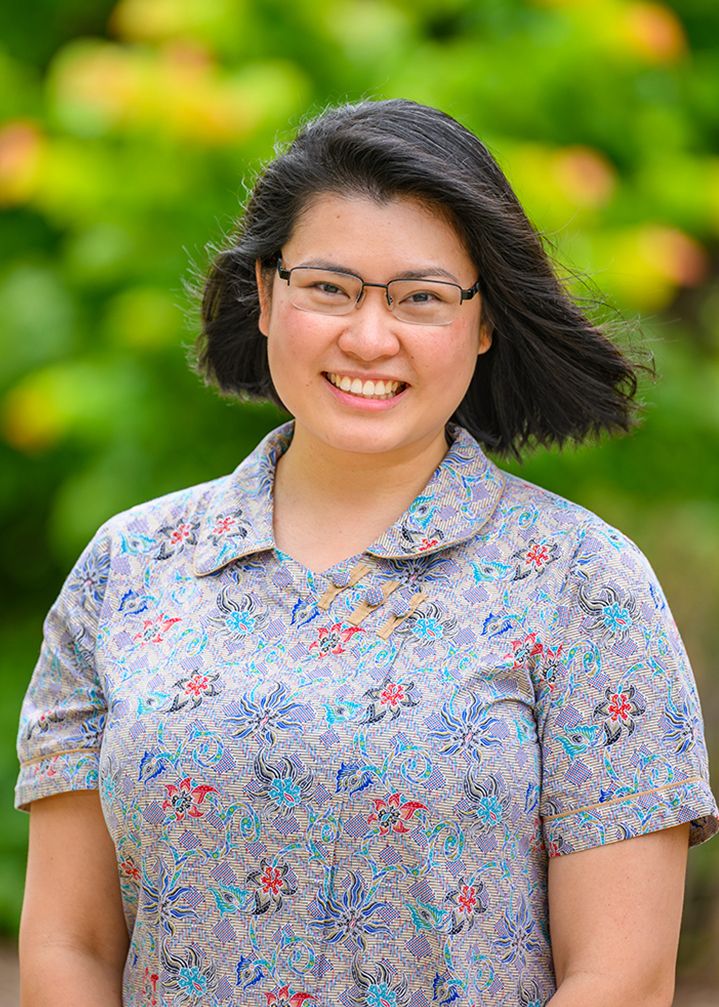
Assistant dean for Administration and Global Inclusion, International Studies and Programs
Country: Indonesia
How have you celebrated Lunar New Year in your home country?
This is the main holiday my family celebrates. Everyone comes together at my parents’ house — cousins, nieces and nephews, aunts and uncles, even grand-aunts and grand-uncles from both my mom’s and dad’s sides of the family. The elders give red envelopes to the younger or unmarried family members, and each family group brings one or more dishes to share.
There’s always a mix of food: pork, chicken, fish, noodles, Indonesian and Chinese dishes, plus whatever is popular on DoorDash in Jakarta at the time. There are also lots of desserts and sweet drinks. Kids run around the house, people chat in every corner, and there’s plenty of eating, drinking and laughing. Family members who live abroad, like me, usually Zoom in at different times so we can still wish each other a happy new year.
What will you do this year to celebrate?
This year, I will celebrate with my family in Michigan (my husband, my parents-in-law, my sister-in-law and her family, and friends we now consider family). We will be making different kinds of dumplings from scratch.
What do you call the New Year holiday in your culture?
Chinese New Year
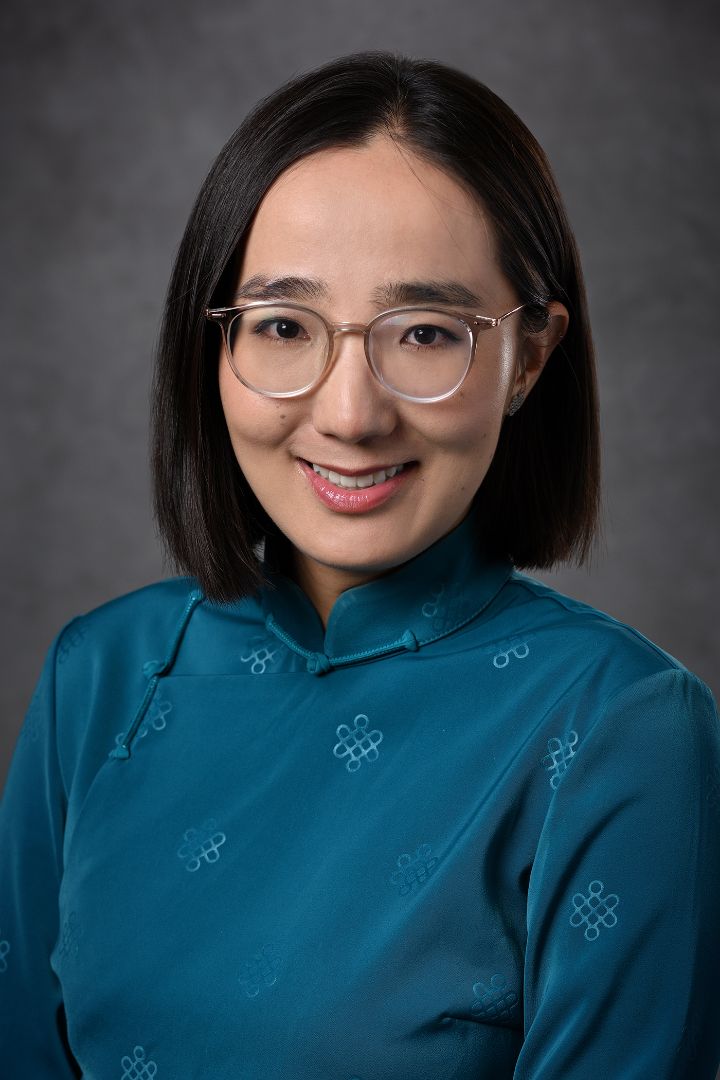
Humphrey Fellow
Country: Mongolia
About Lunar New Year in Mongolia:
Lunar New Year marks the end of winter and the beginning of spring. There is a historical documentation that the Great Mongol Empire /13th centuries/ celebrated Lunar New Year as a symbol of peace, reconciliation and renewal for the unified tribes.
We celebrate Lunar New Year's Eve (Bituun - Битүүн): Families gather for a massive feast.
In the early morning on the first day, we greet /zolgokh - золгох/ each other. Younger people support elderly’s elbows with their arms as a sign of respect.
Lunar New Year’s visits last at least three days, during which families visit relatives in an order of seniority. Host families give gifts to all the guests.
What do you call the new year holiday in your culture?
We call it White Moon /Tsagaan Sar – Цагаан сар/. The color white is represented by dairy products /цагаан идээ/, which also symbolize purity of intent.
How have you celebrated Lunar New Year in your home country?
On Lunar New Year’s Eve, I would visit my parents, and we’d set a table full of different traditional foods, snacks and drinks. After having a lot of food, including steamed dumplings /buuz - бууз/ and vegetable salad, we'd play traditional games and prepare for the New Year’s morning.
Early in the morning on the first day of Lunar New Year, my dad, as head of the household, left the home to set forth his tracks /mur gargakh – мөр гаргах/. Based on the specific instructions, he set out from home in a particular direction, performed the ritual gestures and returned from a specific different direction.
After he returned home, I'd greet /zolgokh - золгох/ my parents and my older brother by supporting their elbows as a sign of respect.
Over the two days, along with my parents, I would visit my aunts’ and uncles’ homes in different cities to greet and show my respect. During my visits to my relatives, I'd collect many gifts. Because all host families prepare gifts for all guests. Almost all people, from kids to elderly, wear Mongolian traditional clothes /deel – дээл / during the Lunar New Year. So, it is a good chance to experience different styles of Mongolian traditional clothes during the visits.
What will you do this year to celebrate?
This year, Mongolians at MSU will celebrate together. We will have dinner, play and chat. I am excited to have Mongolian food and wear my traditional clothes. I would like to have my picture wearing traditional Mongolian clothes on campus.
Note: The banner image is courtesy of Dolgorjav and her family as they celebrate the New Year from a previous year.
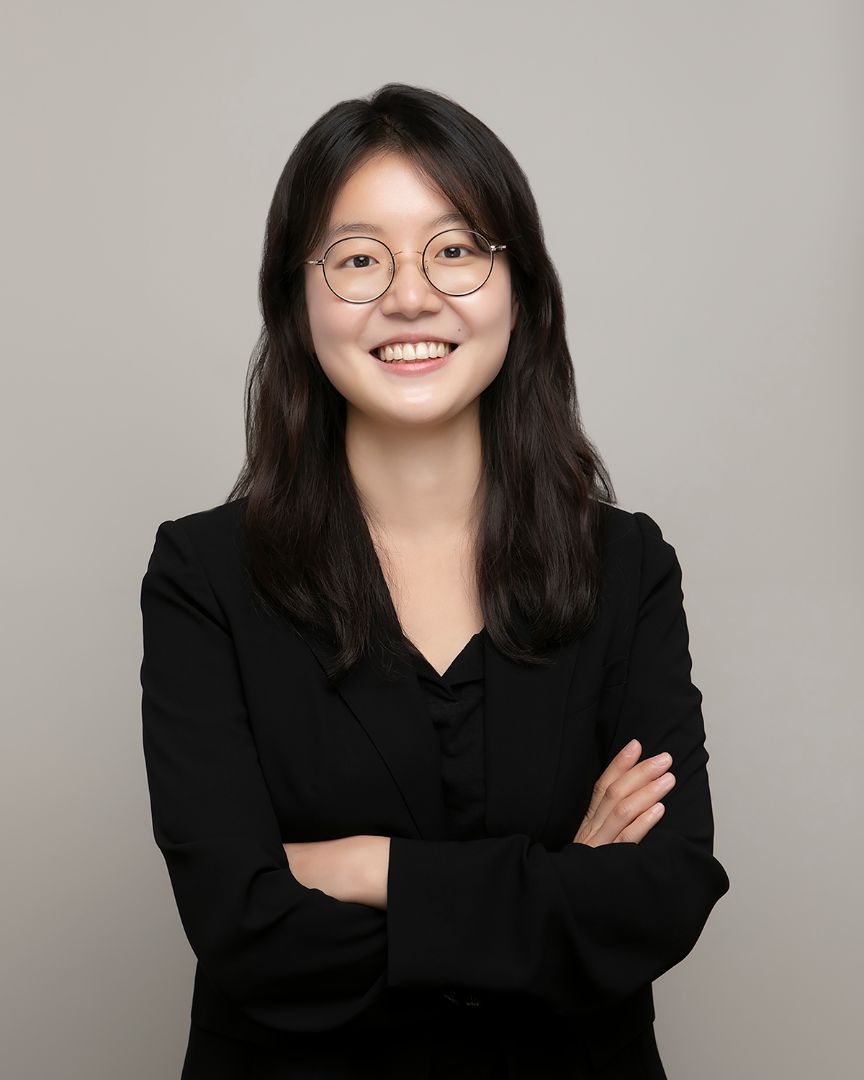
Doctoral candidate in Education Policy
Country: South Korea
How have you celebrated or honored the Lunar New Year in your home country?
In South Korea, I usually celebrated Lunar New Year by gathering with family and preparing traditional foods. We shared meals such as 떡국 (rice cake soup), performed 세배 (New Year’s bows) to elders, and spent time together reflecting on the past year and wishing for good fortune in the new one. In South Korea, eating rice cake soup on the Lunar New Year means you’ve officially become a year older!
What will you do this year to celebrate?
I will also celebrate by having rice cake soup, spending time with friends, and connecting with my family online, even though we are physically far apart.
What do you call the New Year holiday in your culture? It is called Seol-lal (설날)!

JCMU Application
Portal

Advising
Appointments

Stories &
Testimonials
Program Alerts &
Announcements