While it is widely known that Michigan and Shiga are sister states, it is less known that various cities across both states have sister city relations of their own. Here, we will be showcasing some of the unique elements of each sister city. If you would like to learn more about the sister city and sister state programs, or to become more involved with the sister state program, you can find more information on the Michigan-Shiga Sister State Program website.
Higashiōmi is a city located in the eastern part of Shiga. The city has a number of factories, with Murata Manufacturing, Kyocera, Panasonic, Suntory and Toppan among others being located in the city. The city is home to a number of temples, such as Eigen-ji and Hyakusai-ji among others. You can also find the Omi Merchant Museum, located in one of the locations where the Omi merchants were said to originate from, Gokashō Kondō in the north of the city. Higashiōmi and Marquette established their relationship in August 1979, and was renewed in 2005.
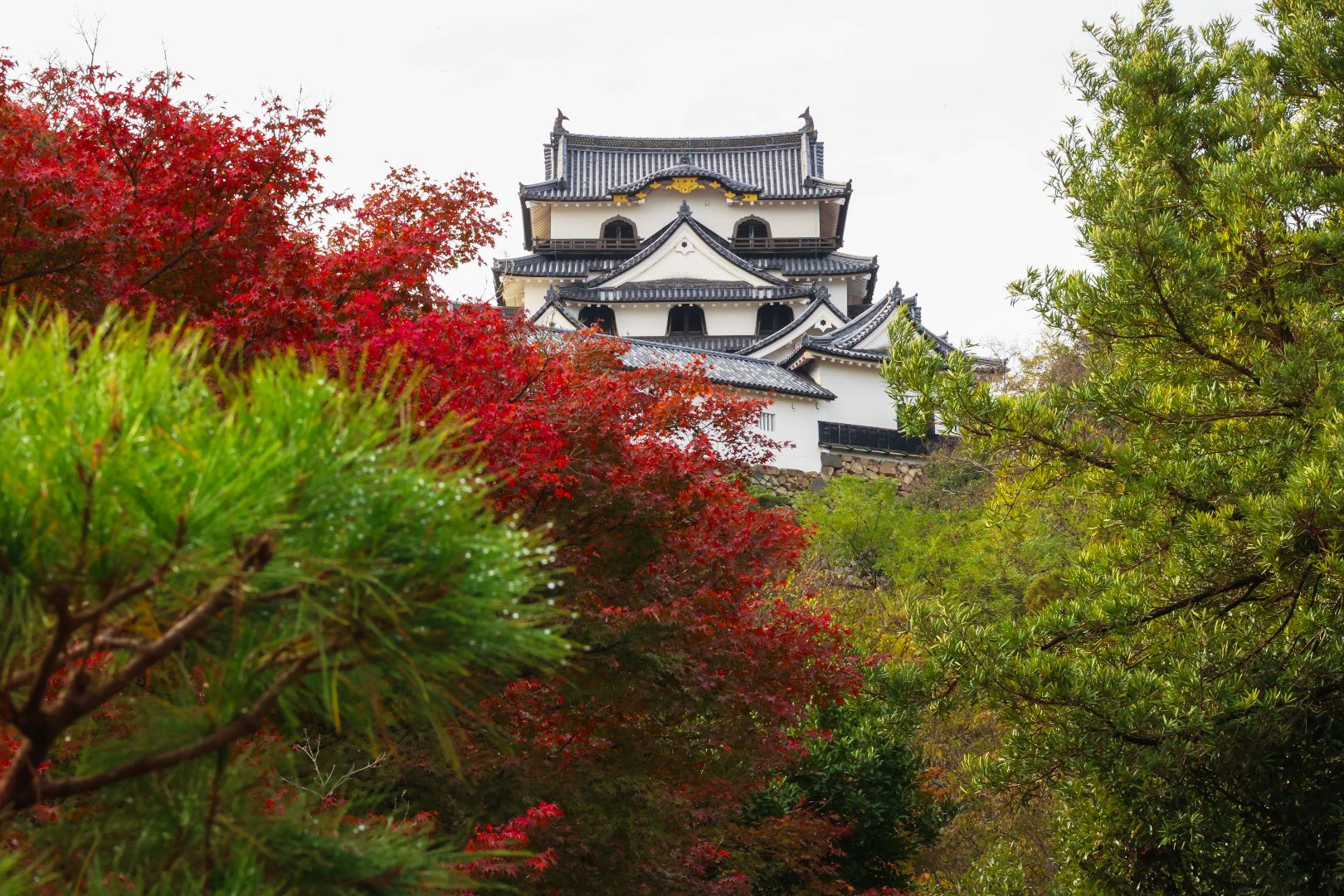
Hikone is a city in the eastern part of Shiga, located directly on the shore of Lake Biwa. Hikone was formed as a market town around Hikone Castle, with the city beginning to develop into a major city as a result of being a stop on the Nakasendō. Hikone also rose to prominence during the Sengoku period, where Hikone Castle was built by Ii Naotsugu and Ii Naotaka. The city is home to numerous National Historic Sites, such as the aforementioned Hikone Castle and the Kojinyama Kofun. Ann Arbor and Hikone became sister cities in 1969, becoming one of the first pairs of sister cities between cities in Michigan and Shiga.
Within Shiga prefecture, Kōka is unique because they have three sister cities in Michigan, when every other city has only one. This is because in 2005, five separate towns were merged together to become Kōka. Three of these towns already had sister cities, so when they became consolidated into one, Kōka affirmed their sisterhood again. Kōka as a city occupies the southernmost part of Shiga, and is the home of one of Shiga’s most prominent traditional crafts: Shigaraki-yaki pottery. If you have seen a ceramic tanuki near a business, it is quite likely that it came from Kōka. Kōnan town (not to be confused with the current city of Konan) became sister cities with DeWitt in 1994, Kōka town became sister cities with Marshall in 1984, and Tsuchiyama town became sister cities with Traverse City in 1970. When the five towns merged in 2005, all three became official sister cities once again.
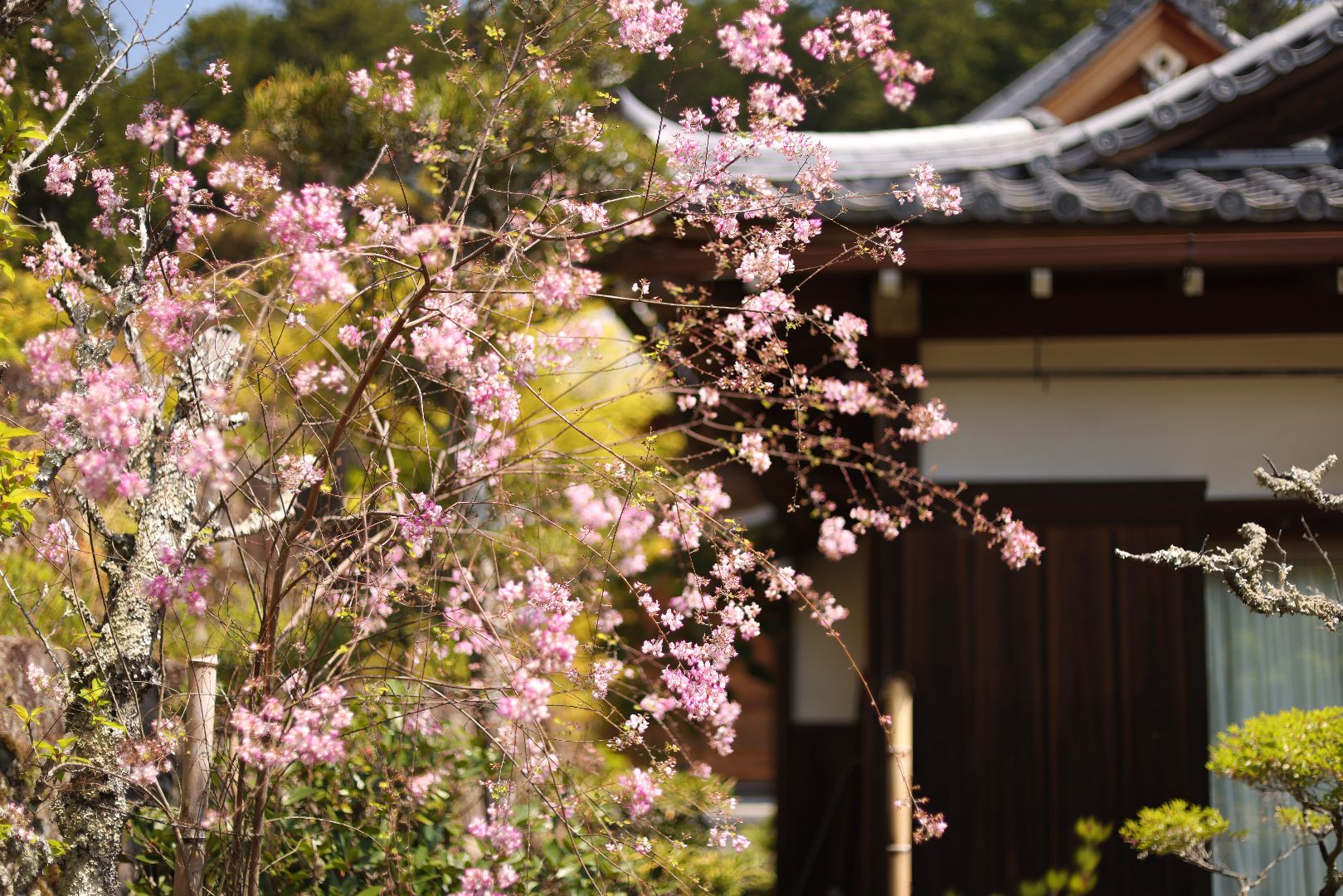
Located in southern Shiga, Konan is a city whose economy is based on agriculture and light manufacturing. In fact, the Konan Industrial Park is the latest industrial park in the prefecture. There are also three temples within the city limits that have National Treasure main halls: Choju-ji, Joraku-ji and Zensui-ji. In addition, the site of Ishibe-juku, the fifty-first of the fifty-three stations of the Tōkaidō, was showcased in a painting by Utagawa Hiroshige. The relationship between Konan and St. Johns was established in 1994 as “friendship cities,” which is slightly different from sister cities, but they are largely the same.
While occasionally confused with an onsen town in Gunma with the same name, Kusatsu is the second-largest city in Shiga prefecture by population. Building upon the site of Kusatsu-juku on the Tōkaidō, the city currently is home to a number of tourist attractions. Some of the most famous include the Lake Biwa Museum, which has one of the largest freshwater aquariums in Japan and reproductions of a traditional Lake Biwa sailing boat (maruko-bune) and homes, as well as the adjacent Mizunomori Botanical Garden. The Inazuma Rock Festival also is hosted within the city near the Lake Biwa Museum, and it is the largest rock festival in Western Japan. Ashiura Kannon-ji is also found in the city limits, and the temple was given quite a large amount of power by Toyotomi Hideyoshi. Buildings from the Muromachi period can be found within the temple as well. Kusatsu and Pontiac became sister cities in 1978.
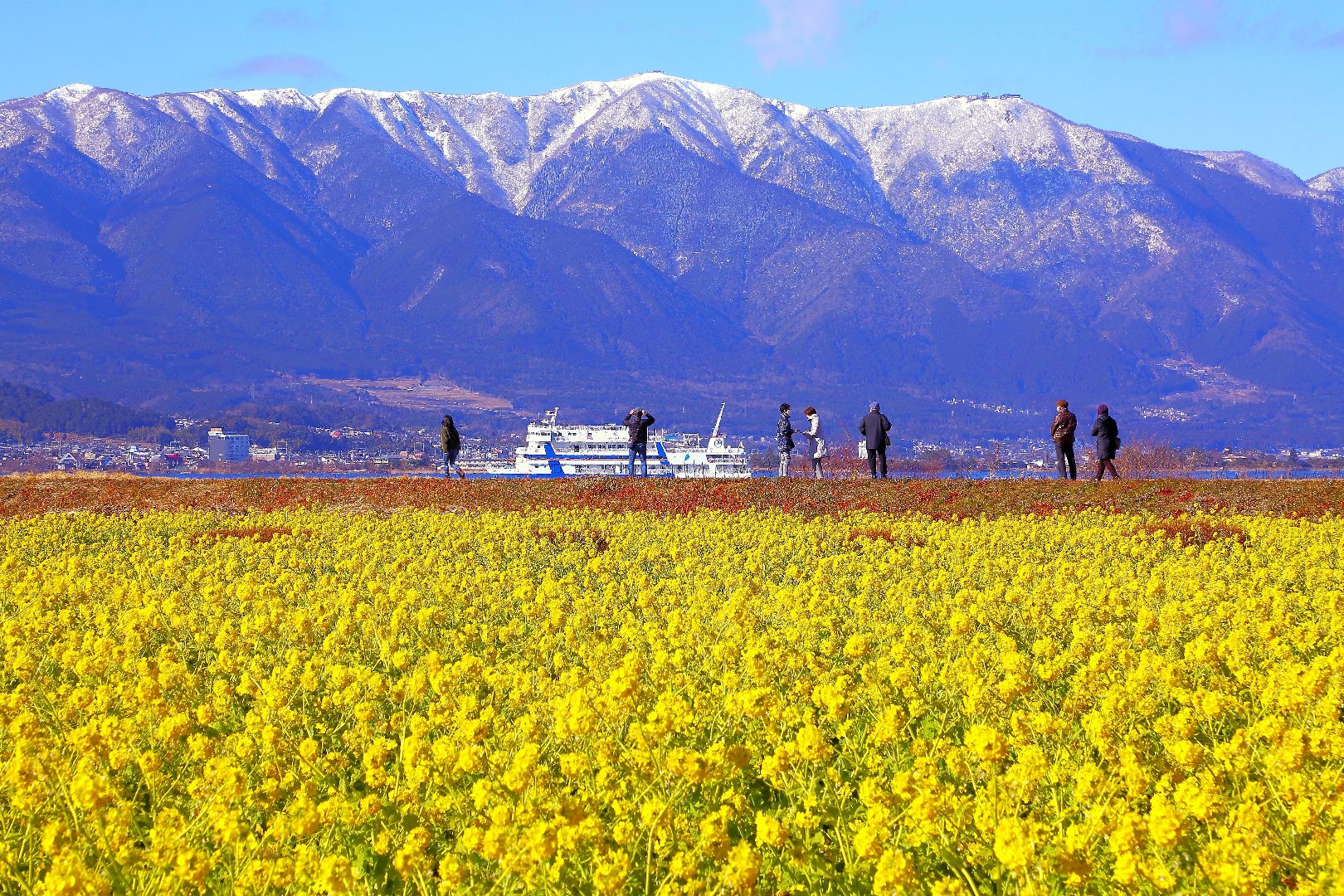
Located where the Yasu River flows into Lake Biwa, Moriyama is a city ripe with history. With numerous archeological sites, such as the Ise and Shimonogo Sites, which have ruins from the Jomon through Kamakura and Yayoi periods respectively. The city flourished as the 67th stop on the Nakasendō (the first stop when traveling from Kyoto), with the area around Moriyama-juku forming the “old town” of the city. Within the city limits as well, you can find the Sagawa Art Museum, which houses a bronze bell dating back to 858. Moriyama and Adrian became sister cities in 1989.
Ōmihachiman initially developed around the Musa-juku Station on the Nakasendō. During the Sengoku period, Oda Nobunaga built Azuchi Castle on the border of Ōmihachiman and Higashiōmi. This castle lends its name to the Azuchi-Momoyama period, yet despite its historical significance, it burned down in a fire of unknown origin in the wake of Oda Nobunaga’s assassination. Under Toyotomi Hidetsugu, the center of the town shifted from the Musa-juku Station to the base of Hachimanyama Castle. Himure Hachiman-gu is also located in the city, and has two festivals that are designated as National Intangible Folk Cultural Properties. This shrine is where the “hachiman” in Ōmihachiman comes from. The Kawara Museum dedicated to Japanese-style roof tiles is also found in the city, as well as the only inhabited freshwater island in Japan, Okishima. Ōmihachiman and Grand Rapids became sister cities in 1986.
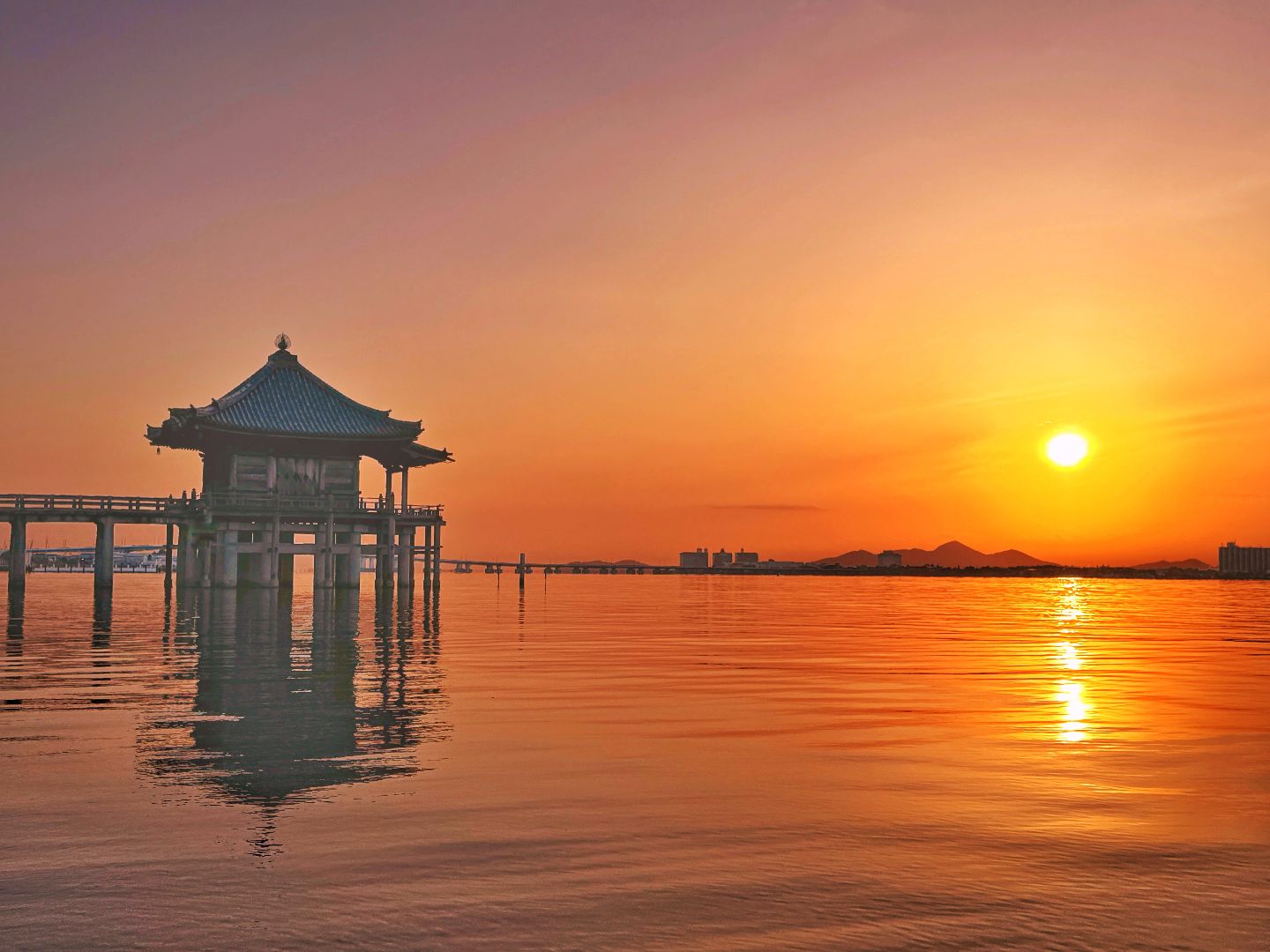
Of the sister cities between Michigan and Shiga, the Lansing-Ōtsu relationship is one of the most famous. Both cities are the capitals of their respective state and that fact was the basis of their partnership. These cities became sister cities in 1969, becoming one of the first pairs to become sister cities. Within Ōtsu’s city limits, you can find numerous incredible sites, such as: several of the Eight Views of Ōmi, Enryaku-ji, which is a UNESCO World Heritage Site, Ishiyama-dera, the place where Murasaki Shikibu was thought to have begun writing The Tale of Genji, numerous other National Historic Sites, and so much more.Rit
Located in Southern Shiga, Rittō is a city rooted in history. During the Sengoku period, a famous battle between the shogun Ashikaga Yoshihisa and Rokkaku Takayori and allied ninja groups from Iga and the Koka ikki. This battle launched ninja into national fame after Rokkaku and the ninja defeated Ashikaga’s forces. Similarly, the Komasaka Stone Buddhas are also found within the city limits. Nowadays, the city is known for horse racing, as the Japan Racing Association opened a training center in the town in 1969. Rittō and Birmingham became sister cities in 1976.
Located in southern Shiga, Ryūō is home to two mountains which colloquially share their name with the town. Kagami-yama and Yukino-yama are commonly referred to as Eastern and Western Ryūō-zan respectively. Ryūō is also a major producer of Ōmi-gyu. In addition, Ryūō hosted the second-to-last Dragon Summit in 2003, which was an exchange program between cities in Japan whose names contained the characters 龍 or 竜, both meaning dragon. Ryūō and Sault Ste. Marie became sister cities in 1974.
Located in the northwest of Shiga, Takashima is a city with lots of ties to the Kofun period. There are a number of Kofun burial sites within the city limits, as well as the birthplace of the 26th Emperor of Japan, Emperor Keitai. Another major historical figure from Takashima is Nakae Toju, a Confucian scholar from the early Edo period, who was called “the Sage of Ōmi.” His former home and lecture hall, the Toju Shoin, as well as a museum dedicated to him and his teachings, are located in the city. Takashima is sister cities with a northern city in Michigan, Petoskey, and have been sister cities since 1976.
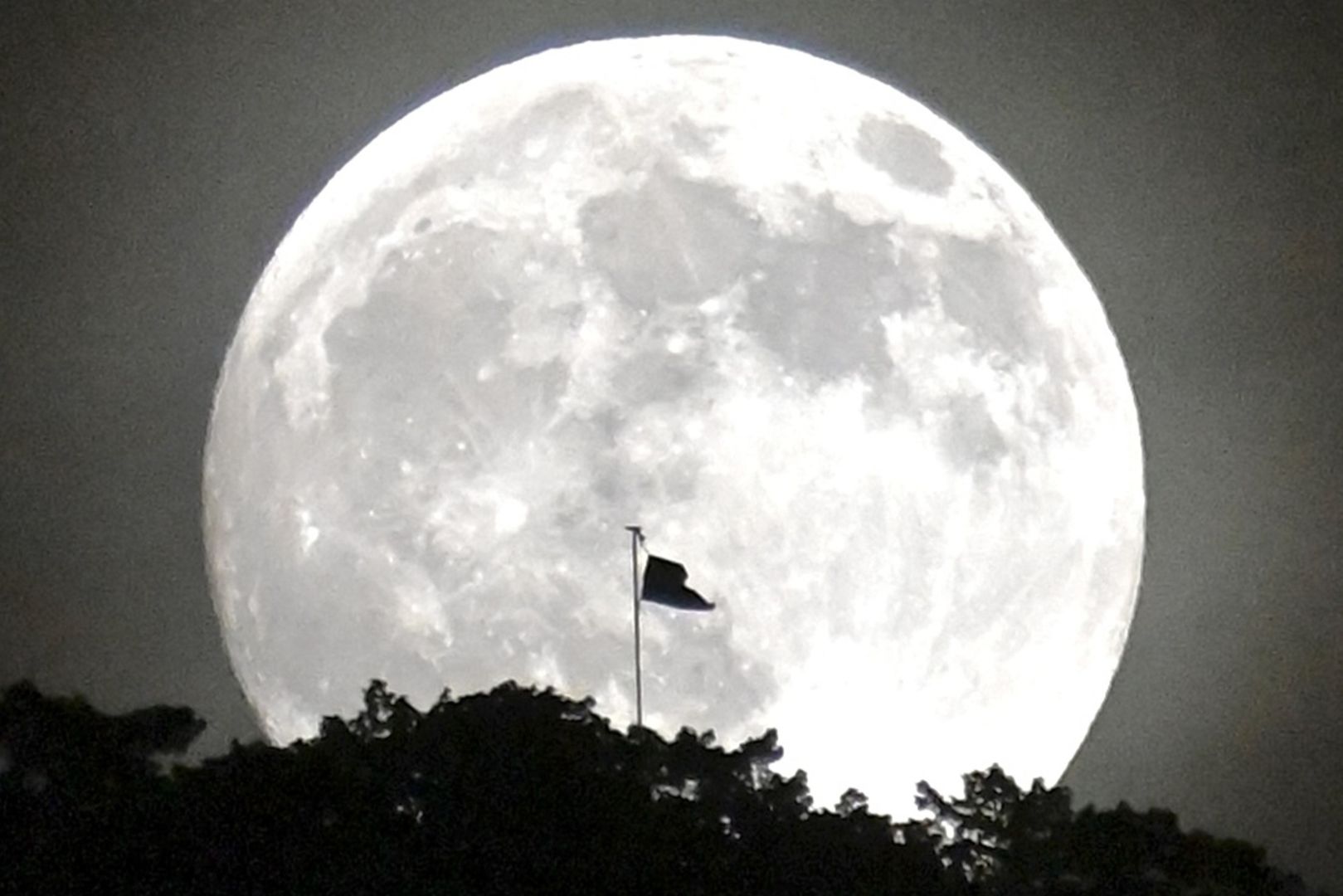
Yasu is a city in the southern part of Shiga, where the city’s culture is dominated by Mt. Mikami. The mountain, nicknamed “Omi Fuji,” was referenced in a poem by Murasaki Shikibu. It also is sometimes referred to as “Mukade-yama,” as it was the location where the tale of Tawara Toda took place. Mukade means centipede, and Fujiwara Hidesato killed a giant centipede in this tale. Mikami Shrine, located at the base of the mountain, has an incredibly long history. While an explicit date of creation for the shrine isn’t known, it was mentioned in the Nihon Sandai Jitsuroku in 901. Similarly, during the Meiji period, 24 dotaku bells were excavated at Mt. Oiwa, indicating that the area was worshipped in the Yayoi period. Yasu and Clinton Township became sister cities in 1993.

JCMU Application
Portal

Advising
Appointments

Stories &
Testimonials

Program Alerts &
Announcements